
Creating Great Video Marketing
Introduction
Video is an essential element to an attention-grabbing marketing strategy. While great newsletters, emails, blog posts, and social media are important, visually compelling videos are the key to truly engaging your audience and driving business growth.
The rising popularity and efficacy of video is evident in research. According to Cisco, video accounted for 73% of IP traffic in 2016, and projected for that to rise to 82%. Optinmonster reported that 72% of customers would rather learn about a product or service by video. Most importantly, visitors to your site retain 95% of a message in video, compared to around 10% when information is read.
Video can be referred to, in light of these figures, as ‘sticky’ content, as it keeps visitors on your website for longer, increases email open rates, and makes information easier to process.
On social media, video becomes even more lucrative. It is more shareable, and algorithms on apps like Facebook and Instagram prioritise video content. Furthermore, TikTok has emerged as one of the best platforms to reach younger generations, and it is completely based on video content. Google’s search engine also sees video as a signal of a high-quality user experience and places these websites higher in search results.
But not just any video will do; an irrelevant or uninspiring video won’t deliver results. To truly engage your audience, you need the right video, at the right time, with the right message, all while staying true to your brand identity.
Strategic video marketing is the key to making a lasting impact. Are you making the most of yours?
In short, you need the right strategy.
In this guide, we’ll answer all your questions about video strategy, helping you understand how to make video work for your brand. You’ll also get a chance to explore our case studies, showcasing the real impact of effective video marketing.
Finally, we’ll provide you with a practical framework to ensure that when you commission and create video content, your audience takes action.
Just like any other aspect of marketing, a well-crafted strategy is the key to success when it comes to video. Before diving into production, it’s essential to have a clear plan in place.
In this guide, we’ll address some of the most common questions businesses have when creating video content. Perhaps you have an idea for a video to engage a time-poor audience but need stakeholder buy-in for budget? We’ll help you make informed decisions that drive real results.
What is the purpose of this video content?
Before creating a video, it’s crucial to define its purpose. Are you looking to:
- Stream live broadcasts
- Communicate with your team or employees
- Onboard and train employees
- Manage video content efficiently
- Market your business and attract customers
- Host virtual events and webinars
- Teach and educate viewers
Beyond purpose, consider where your audience is in the buying journey. Are they:
- Becoming aware of a problem?
- Considering a purchase and weighing options?
- Preparing to buy and seeking more information?
Your video should align with these stages, whether you’re explaining a product, building a relationship, or demonstrating benefits. A clear message woven into every element of your video will ensure you connect with your audience effectively.
Who am I targeting?
Beyond understanding where your audience is in the buying journey, it’s essential to consider where they spend their time online. The right platform can make all the difference in how effectively your video reaches and engages them.
- Largest Age Group: 25-34
- Gender 43% Female 57% Male
- Community driven engagement
- Largest Age Group: 25-34
- Gender 48% Female 52% Male
- Professionals, B2B decision makers, industry experts
- According to LinkedIn, 65+ million business decision makers are on LinkedIn
- 57+ million businesses have a LinkedIn page
- LinkedIn was also rated the #1 platform for B2B lead generation (by an internal research study in March 2025)
- Largest Age Group: 18-24 and 25-34
- Gender: 48% Female, 52% Male
- Gen Z and Millennials make up roughly two-thirds of their base
- Lifestyle-focused consumers
TikTok
- Largest Age Group: 10-19
- Gender: 61% Female, 39% Male
- Nearly 40% of Gen Z say they’ve been directly influenced by products they see on TikTok, and brands should take notice
- Short-form content lovers
There could be benefits in placing the video prominently on your website, too. It boosts your position in Google search and can form a dynamic way to impart key information about your product or brand. Engaging video content can build trust with your audience and keep users on your page for longer, increasing the chances of conversion.
Is video the right way to promote my chosen content?
Once you’ve defined your target audience and core message, you’ll be able to consider how to place and promote your video effectively. Keep in mind the purpose of your video:
- An informational video might be best suited for your website, offering in-depth insights and keeping visitors engaged.
- A short, dynamic introductory video could work better as a social media ad, capturing attention quickly and driving engagement.
By aligning your video format with the right platform, you’ll maximise its impact and reach the right audience at the right time.
What action do I want users to take?
This will help you work out video content and placement. If you want to drive traffic to your website, place your video on socials with clickable links. If you’d like them to learn more about your product, a video on your website landing page could end with a CTA prompting users to explore your product.
How will I distribute my video?
Depending on your answers to the above questions, you’ll be able to decide where is the best place to distribute your video for the maximum ROI. Here are some ideas for video placement:
- Accompany your blog with a video summarising the main points of your article.
- Host your video prominently on your webpage to highlight products, projects and case studies which best showcase your brand.
- Add video to your email marketing or e-newsletters to encourage recipients to buy your product by explaining them more effectively.
- Reach a new audience by using paid social media advertising, understanding that there are many factors to consider, such as audience targeting, placement, objectives, budget distribution and optimisation.
- Recycle content placed elsewhere by posting it on social media, either in whole or short snippets, to take advantage of the algorithm and capture the attention of your followers.
- Webinars are a powerful tool to connect with your industry, showcase expertise, and generate high-quality leads. In 2025, new formats and interactive features make them even more effective. Read on for a deep dive into key webinar trends and how they can work for you.
Which elements of video do I need to consider?
Depending on your answers to the above questions, you’ll be able to decide on the following video elements:
Length: If you are designing a social ad, a shorter video will work better as users tend to spend less time on each post they see. However, be sure to take the time to explain all stages of your process, or a range of case studies, if you are making webpage video.
Animation, Green-Screen or Live video? Depending on the content of your video, there are a range of visual choices you can make. If you want to talk about your previous work or showcase your team, using video of your clients and team is preferable. However, if you are promoting a new concept or prototype product, animation is a dynamic, visually appealing way to represent content.
Narration: Are you using animation or video for visuals and not sound? Instead of using nondescript music, consider narrating your video for better information retention. Have you considered whether you need a voiceover, and if you’d like to explore this, what gender and accent will help express your brand?
Text on screen: If you are having a narrated video, or one with informational sound, highlighting the key points on-screen conveys the important information to your audience.
There are other decisions to make in collaboration with a video design team, including, but not limited to, colour scheme, animated character design, tone and production. A low-budget video is easily noticed by consumers and will affect their perception of your brand.
Deep Dive into Key Webinar Trends and How They Can Work for You
Webinars are a key way to reach your industry connections, and in 2025 there are even more ways to show the best of your business, team and expertise for better leads.
1. Hybrid Webinars (In-Person & Virtual Components)
Hybrid webinars combine the best of both worlds: the engagement of in-person events with the accessibility of virtual platforms. For businesses operating in appropriate sectors, hybrid formats allow key clients, prospects, and stakeholders to choose how they participate.
How to Apply It
- Host live panel discussions at industry events while simultaneously streaming them online, allowing remote attendees to interact through Q&As, chat functions and polls.
- Use hybrid formats for product demonstrations, offering both physical networking opportunities and digital engagement.
- Provide exclusive in-person breakout sessions while recording and repackaging key takeaways for a virtual audience.
- Equip on-site participants with apps that connect them to virtual discussions, making interactions seamless.
2. Interactive Content (Polls, Q&A, Live Engagement)
Passive viewing leads to drop-offs. To hold the audience’s attention, webinars must shift from one-way presentations to interactive, dynamic experiences.
How to Apply It
- Incorporate real-time polls that allow participants to shape the direction of the webinar.
- Use interactive Q&A tools like Slido or chat-based voting for audience questions.
- Encourage discussions via breakout rooms, where smaller groups can engage in targeted conversations relevant to their industry or pain points.
- Leverage AI-driven chatbots to answer FAQs live while hosts focus on deep-dive responses.
Benefits
- Increased engagement and retention rates.
- More insightful discussions based on attendee input.
- Enhanced data collection from participant responses.
3. On-Demand Access & Content Repurposing
Webinar content doesn’t have to be a one-off event. It can serve as a long-term resource through strategic repurposing.
How to Apply It
Clipping for Ads: Extract impactful moments to create short-form content for LinkedIn, YouTube Shorts, or Instagram Reels.
Adding Chapter Titles: Make recorded webinars easier to navigate by adding chapter markers based on key discussion points.
Turning Webinars into Blogs & Newsletters: Summarise key takeaways in written form for those who prefer reading over watching.
Creating Downloadable PDFs: Provide attendees with follow-up material in an easy-to-share document.
Repurpose for Sales & Marketing: Use webinar insights to inform whitepapers, case studies, or product marketing materials.
Benefits
- Extends the webinar’s lifespan beyond the live event.
- Increases visibility across multiple platforms.
- Boosts engagement from different audience preferences.
4. Enhanced Production Quality
Quality matters. Poor lighting, audio issues, or unprofessional visuals can harm credibility. High production values are essential to delivering a polished and professional experience.
How to Apply It
- Invest in high-quality microphones, cameras, and proper lighting.
- Use branded virtual backgrounds or real-life studio settings.
- Have a team member on hand to monitor, organise attendees, and troubleshoot during live events.
- Pre-record high-risk segments to ensure quality and smooth transitions.
Benefits
- Increases the perception of credibility and professionalism.
- Reduces technical glitches that might disrupt the experience.
- Enhances audience retention with visually engaging presentations.
5. Micro-Learning Sessions (Short, Focused Webinars)
Long webinars often struggle to maintain engagement. The trend towards micro-learning (short, impactful sessions) can improve knowledge retention and appeal to busy professionals.
How to Apply It
- Host 15-20 minute bite-sized webinars focused on one key topic.
- Create a “webinar series” rather than a one-off event, allowing attendees to digest content in smaller chunks and sign up for multiple webinars at a time to foster a longer relationship.
- Use pre-recorded micro-webinars as lead magnets to introduce prospective clients to key services.
- Offer interactive quizzes or quick case studies at the end to reinforce learning.
Benefits
- Increases accessibility for time-poor attendees.
- Encourages higher engagement with shorter, more digestible content.
- Allows for easier repurposing into social media snippets.
6. Further Recommendations
Data-Driven Insights: Use attendee engagement metrics to refine future webinar topics and formats.
Sustainability Focus: Reduce the carbon footprint by encouraging digital participation and avoiding unnecessary travel.
Community Building: Develop networking opportunities through virtual breakout rooms and post-webinar forums.
Accessibility Enhancements: Implement closed captions, multi-language support, and screen reader compatibility.
By incorporating these trends, webinars can evolve into high-impact, revenue-generating tools that strengthen audience engagement and brand positioning, as well as provide you with a wealth of high-quality content for your further marketing efforts.
The Future of Video AI and Martech Integrations
The rise of artificial intelligence (AI) in video technology is revolutionising the way businesses create, distribute, and optimise content. From AI-powered video editing to hyper-personalised audience experiences, the future of video AI is reshaping digital engagement. When combined with marketing technology (Martech) integrations, businesses can achieve more efficient content production and deeper audience insights.
AI-Driven Video Enhancements
Automated Video Editing – AI tools like Descript and Runway can automatically trim, enhance, and refine video content, drastically reducing editing time.
Personalised Content Generation – AI enables dynamic video content tailored to individual viewers based on their behaviours and preferences.
Real-Time Transcriptions & Subtitles – Video AI enhances accessibility and searchability by automatically generating transcriptions and multi-language subtitles.
Deepfake & Synthetic Media Advancements – AI-generated avatars and voiceovers are being leveraged for automated yet human-like content delivery.
Martech Integrations and Video AI
CRM & Email Marketing Integration – AI-powered video analytics can sync with customer data platforms (CDPs) like HubSpot or Salesforce to deliver personalised video emails.
Automated Social Media Publishing – AI-driven tools analyse engagement patterns and optimise video scheduling for platforms like LinkedIn, Instagram, and YouTube.
SEO & Performance Analytics – Martech integrations with AI-powered tools help track viewer engagement and click-through rates, and optimise content for better search rankings.
AI-Powered Chatbots & Video Commerce – Interactive AI-driven videos enable real-time customer interactions, enhancing e-commerce and customer service experiences.
The Road Ahead
The combination of AI-powered video technology with Martech tools will continue to drive automation, personalisation, and efficiency in marketing strategies. As AI models evolve, expect deeper audience insights, more engaging content formats, and seamless brand-consumer interactions across digital platforms. Companies leveraging these advancements will be well-positioned to stay ahead in an increasingly video-centric digital landscape.
Tracking ROI with Video: Key Metrics & Insights
Measuring the return on investment (ROI) of video content is essential for optimising strategy, understanding audience behaviour, and improving future campaigns. Here are the key metrics to track and what they reveal:
View Count & Impressions
View count tracks the total number of times a video has been watched, while impressions measure how many times a video has appeared on a screen (regardless of whether it was watched).
Why It Matters: High impressions but low views suggest weak engagement or ineffective thumbnails and titles.
Watch Time & Average View Duration
Total watch time indicates how long viewers collectively spend watching your content. Average view duration measures how much of the video an individual viewer watches before dropping off.
Why It Matters: A higher watch time suggests engaging content, while a low average view duration may indicate a need for better pacing or stronger hooks.
Engagement: Likes, Comments & Shares
Likes reflect audience approval, comments indicate deeper interaction, and shares show that viewers find the content valuable enough to distribute.
Why It Matters: High engagement levels improve video ranking on platforms and can signal what type of content resonates most.
Subscriber & Follower Growth
An increase in subscribers or followers after watching a video indicates that the content successfully converted viewers into long-term audience members.
Why It Matters: A strong correlation between video views and new subscribers suggests effective storytelling and audience connection.
Click-Through Rate (CTR) & Conversion Rates
CTR measures how many people clicked on your video or call-to-action links after seeing the thumbnail. Conversion rates track how many viewers took a desired action (e.g., signing up, or making a purchase).
Why It Matters: High CTR but low conversions may indicate that while the video is enticing, it does not effectively drive action.
Retention Rate & Drop-off Points
Retention rate shows the percentage of viewers who watch a video until the end, while drop-off points reveal when people stop watching.
Why It Matters: Identifying common drop-off points can help refine content structure and keep audiences engaged longer.
Optimising Video Content for Maximum ROI
A/B Test Thumbnails & Titles: Experiment with different visuals and headlines to boost CTR.
Use Captions & Subtitles: Increases accessibility and engagement, especially for mobile viewers.
Incorporate Strong CTAs: Ensure clear, compelling calls-to-action that drive conversions.
Leverage Data to Refine Strategy: Regularly analyse performance metrics to adjust content style, length, and distribution channels.
By consistently tracking these key metrics and refining strategy based on insights, businesses can enhance engagement, improve conversions, and maximise the impact of their video content.
Understanding the Stages of Video Production
To avoid the low-budget look, understand the stages of video production. That way you’ll know the importance of time and money investment at each stage of development.
Phase 1: Pre-Production
This is where all of the preparation needed to create a successful video takes place. Here you can expect to:
- Write a script
- Create storyboards
- Prepare a production schedule
- Arrange equipment, actors, locations, crew and wardrobes
Pre-production is where you’ll make decisions that determine the quality of the final product. It is important to spend the right amount of time here to get each decision you make right.
Phase 2: Production
This is the main task, principal videography, where you’ll film all the footage needed or create the animations, which will become your final video. You’ll begin to envision what the final result will look like.
Phase 3: Post-Production
In order to guarantee a polished final look, at this stage you’ll add music, audio effects and voiceover. You’ll edit the video you took during production to turn it into a final product, adjusting sound and colour, and adding titles, text, and publicity materials.
If you invest in the right people and products during these stages and position your video right, you’ll be sure to create successful video materials and reap the benefits of the medium.
Case Studies
We’ve worked on a wide range of video projects for our clients, ranging from short animations made for social media to showcases of work. Explore what Zero Above can do for your business.
NHS TikTok Campaign
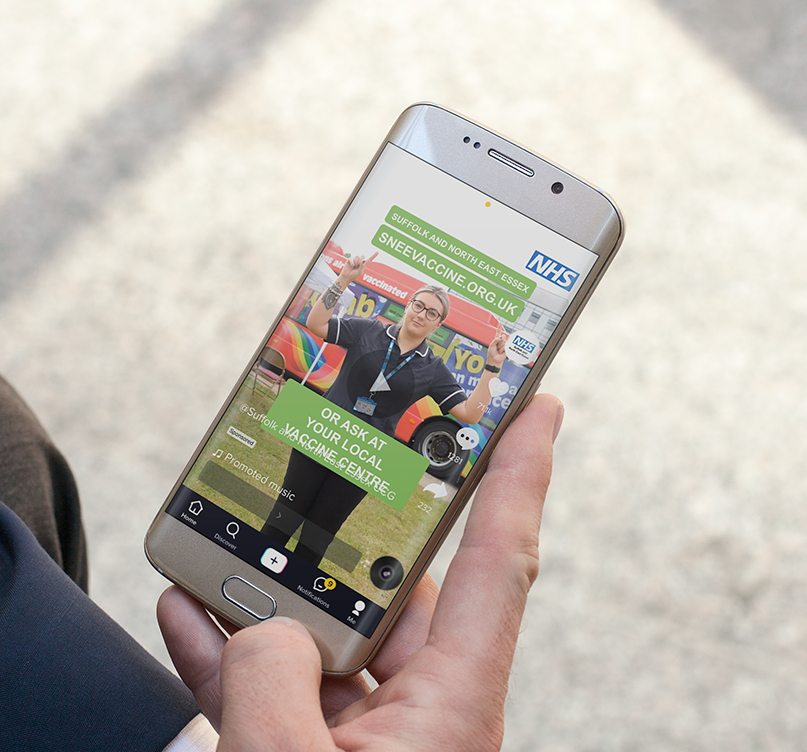
Our campaigns for the NHS were created to dispel myths and misconceptions around vaccinations, along with creating a compelling campaign that could be used by parents to have conversations with their children around vaccinations. We used real-life healthcare workers in a TikTok campaign along with the creation of an astronaut and space concept.
Whitehouse Solutions

We worked with Whitehouse Solutions to prepare for both an in-person event and a website redesign. As part of this campaign, we produced video materials which introduced prospective clients to the brand.
After an initial scoping session, Zero Above presented a script and storyboard that delivers the video’s key messages in the most effective and engaging way, taking into account the distinct target audiences and the messages that will need to be conveyed. We used the drone and Steadicam to capture the entirety of their warehousing space and demonstrate the product’s journey at each stage of the fulfilment process.
Space East Launch Video

Space East is a brand new space cluster for the East of England for space research & technology. A marketing video was required to be played at their launch event and to feature on the Space East website.
We created a short video of less than 3 minutes, filmed on location, on-brand, highlighting key information and featuring interviews, stock-video & animation.
Greenest Suffolk – Digital Outreach & Animated Video

We collaborated with Creating the Greenest County to enhance its digital presence through a modernised website and an engaging animated video, helping to inspire residents, businesses, and community groups to take climate-positive action.
To ensure accessibility and engagement, we developed a user-centric website that simplifies access to sustainability resources while showcasing Suffolk’s progress towards net zero. The design maintains the existing brand identity while improving navigation and visual appeal.
Alongside this, we produced a short animated video that clarified the county’s climate initiatives in a clear and approachable message. Using neutral tones and a friendly illustrative style, the animation was optimised for social media, the website, and public presentations, ensuring maximum reach.
By presenting climate action in an empowering and digestible format, this project provided Suffolk with a digital toolkit to drive meaningful community engagement and reinforce its leadership in sustainability.
Diode – Brand Identity & Website Redesign
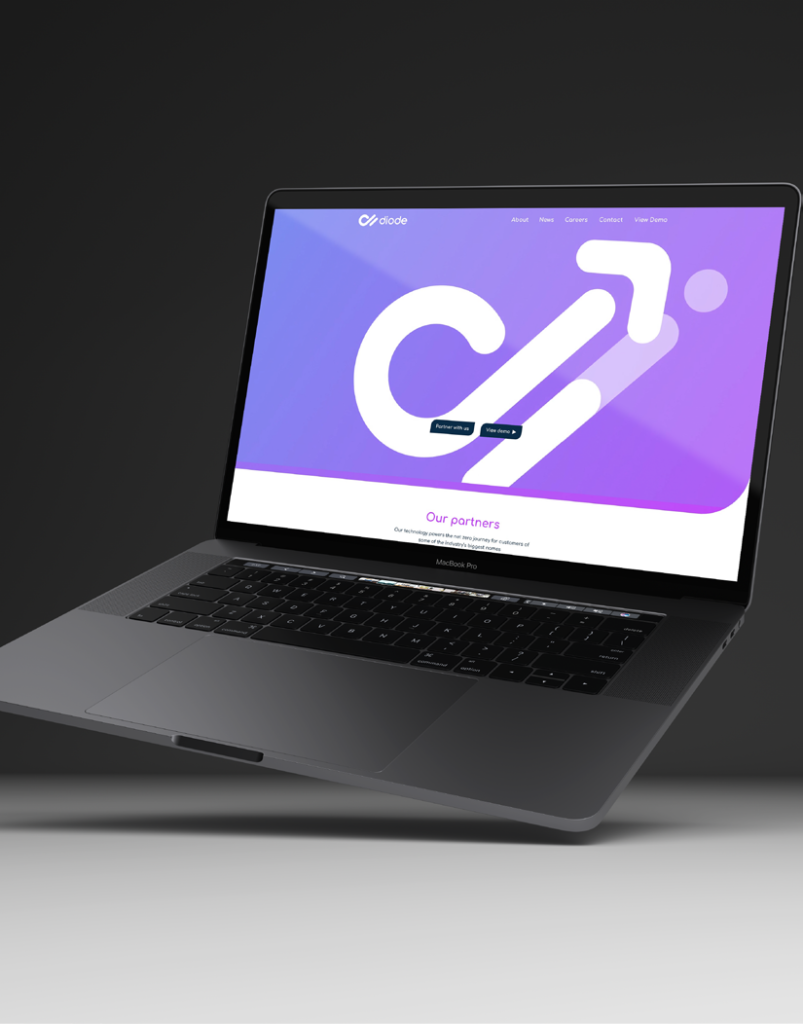
We worked with Diode to refresh their brand identity, refine their value proposition, and develop a new website designed to enhance brand awareness and attract new prospects.
The website was built with a strong focus on user experience, incorporating innovative text and animations to guide visitors seamlessly from introduction to call to action. We introduced distinctive brand elements, leveraging colour, typography, and illustrative design to highlight Diode’s core USPs and address the specific needs of their target audiences.
Our work demonstrates our expertise in crafting dynamic, insight-driven websites that effectively communicate key messages while aligning with business objectives. The project was delivered through a highly collaborative and iterative process, ensuring a refined and impactful digital presence for Diode.
Animation Briefing Template
If you are wondering how to communicate your needs to an agency for an animated video, our template will guide you through creating a thorough brief to start the conversation.
What is the purpose of the video? Inform, entertain, educate, explain.
Who is your target audience? Internal use, existing customers, new leads.
What is the style of the video? Explainer, educational, promotional, social media.
Does it require 2D or 3D animation?
What products or services need to be featured? Are there primary products/services that need to feature, or all.
Where will the video be used? Social media, website, TV, landing page, other.
Expected duration of the video?
Will there be any narration/voiceover required?
Does a script need to be created?
Will sound be required? Music/sound effects.
Do you have any brand guidelines? Link to your website.
Is there a project deadline?
Is there any key messaging?
Video Briefing Template
If you’re still unsure where to start, or would like to follow a structure when developing an initial plan for your video, here’s a briefing template that’ll ensure you have every question covered. Don’t worry if you cannot answer every question; our exploratory sessions will have our team guide you through our recommendations based on your goals and objectives.
What is the purpose of the video? Inform, entertain, educate, explain.
Who is your target audience? Internal use, existing customers, new leads.
What is the style of the video? Animation, stock footage, film-based, webinar, live-stream.
What products or services need to be featured? Are there primary products/services that need to feature, or all.
Where will the video be used? Social media, website, TV, landing page, other — please specify.
Expected duration of the video?
Will there be any filming involved?
Any specific visuals that need to be captured?
Is there any important key messaging?
Will there be any interviews? If so, how many?
Does a script need to be created prior to filming?
Will sound be required? Music, voiceover, sound effects.
Are people readily available to be filmed, or will it require actors?
Do you have any brand guidelines? Link to your website.
Is there a project deadline?
Working with Zero Above
Crafting Video That Connects & Converts
At Zero Above, we don’t just deliver video – we craft compelling visual stories that captivate audiences, drive engagement, and deliver measurable results. Whether it’s a high-end corporate production, a sleek product showcase, or an attention-grabbing social campaign, our in-house team ensures every frame has purpose and impact.
We start with your vision, refining it using our unique expertise to transform content into polished, high-performing video made to stand out. As a full-service digital agency, we don’t just produce stunning content – we place it where it matters most, ensuring maximum reach and effectiveness.
For brands looking for an ongoing, integrated approach, our service acts as an extension of your team. This means faster turnarounds, deeper creative alignment, and data-driven distribution strategies that amplify your video’s performance. From concept to completion, we don’t just create video – we make sure it works for the people meant to see it.
Ready to transform your brand with video? Get in touch today, and let’s create something powerful together.
Let’s Talk
If you require advice with your digital marketing strategy or need help with design, digital or web within your business, contact us today.